By Working Hand Corporation– Elite Custom Home Builders Across BC And Alberta
Embarking on a construction project, whether it’s a custom home, a commercial space, or a major renovation- is a big undertaking. It’s exciting, full of potential, and, let’s be honest, a little intimidating. One of the most common questions people ask before the first shovel hits the ground is: “How long will it take?”
Understanding the construction timeline can help set realistic expectations, reduce stress, and make the entire process more manageable. While each project is unique, most follow a similar path from concept to completion. Let’s walk through the typical stages of a construction timeline so you know what to expect at every turn.
1. Pre-Construction Phase (1-3 Months or More)
Before any physical work begins, there’s a lot of planning to do. This phase lays the groundwork for everything to follow.
Key steps:
- Design Development: Work with architects and designers to finalize plans, layouts, and materials.
- Permits and Approvals: Submit plans for approval and obtain all necessary building permits.
- Budgeting and Bidding: Finalize your budget, select contractors, and sign contracts.
- Site Preparation: Survey the land, conduct soil tests, and prepare the site for construction.
What to expect: This phase can vary in length depending on design complexity, permit wait times, and how quickly decisions are made. Good planning here means fewer surprises later.
2. Site Work and Foundation (2-4 Weeks)
With permits in hand and plans approved, it’s time to break ground.
Key steps:
- Clearing and Excavation: Remove trees, rocks, and debris. Excavate for the foundation.
- Foundation Work: Pour concrete footings, walls, and slabs. Install necessary drainage.
- Utilities Installation: Begin installing underground plumbing, electrical, and sewer lines.
What to expect: This phase can be weather-sensitive. Delays are possible if conditions are unfavorable.
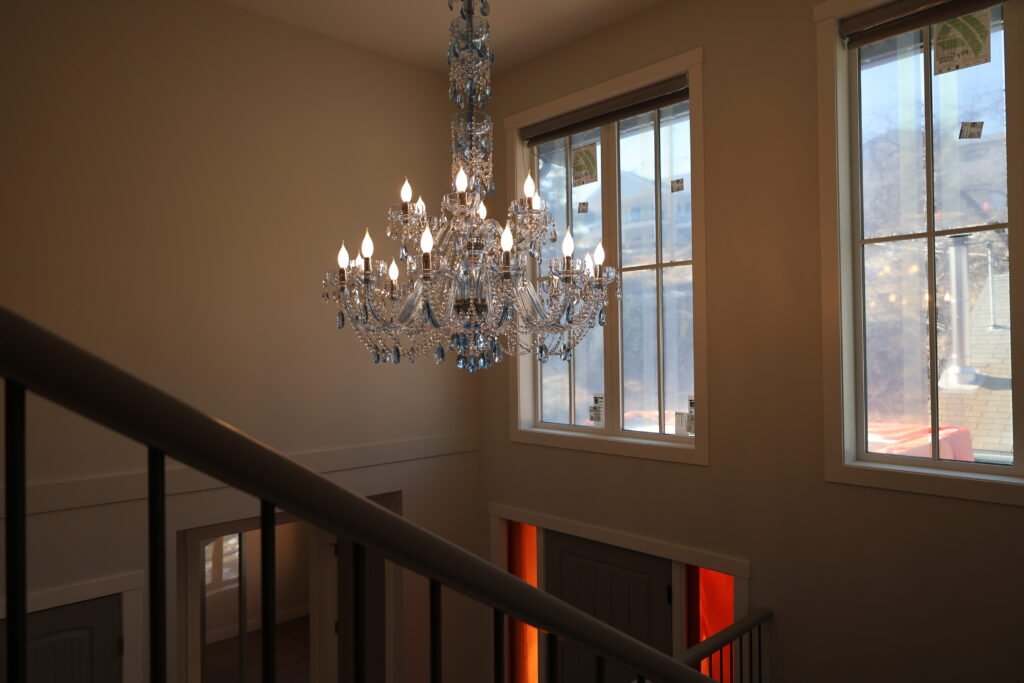
3. Framing (4-8 Weeks)
Framing is when your project starts to take shape and the structure becomes visible.
Key steps:
- Wall, Floor, and Roof Framing: Build the skeleton of the structure.
- Windows and Doors: Install exterior openings.
- Sheathing and Wrapping: Add protective layers to the exterior to guard against weather.
What to expect: It’s exciting to see the building come to life. Inspections are usually required before moving to the next phase.
4. Rough-In Systems (4-6 Weeks)
This phase involves installing the essential systems that will keep the building running smoothly.
Key steps:
- Electrical Wiring
- Plumbing Lines
- HVAC Duct work and Systems
What to expect: Everything remains open and accessible during this phase. Inspections for electrical, plumbing, and HVAC are typically required before moving forward.
5. Insulation and Drywall (2-4 Weeks)
Once the rough-in systems are approved, it’s time to insulate and close up the walls.
Key steps:
- Insulation: Install walls, ceilings, and floors.
- Drywall: Hang, tape, mud, and sand the drywall to prepare for painting.
What to expect: The space will start to feel more like a finished structure. Dust and noise are common during drywall sanding.
6. Interior Finishes (4-8 Weeks)
Here’s where the project really starts to shine and reflect your personal or brand style.
Key steps:
- Painting and Wall Treatments
- Flooring Installation
- Cabinets and Countertops
- Trim and Molding
- Lighting and Fixtures
What to expect: This phase can vary depending on the complexity and customization. Close coordination with contractors ensures details are correct.
7. Exterior Work (Concurrent or Post-Interior, 2-6 Weeks)
Exterior finishes may happen concurrently with interior work or after, depending on weather and schedules.
Key steps:
- Siding or Cladding
- Roofing
- Landscaping, Driveways, and Walkways
- Decks, Patios, and Outdoor Features
What to expect: Curb appeal starts to take shape. Weather can impact timing, so some flexibility is helpful.
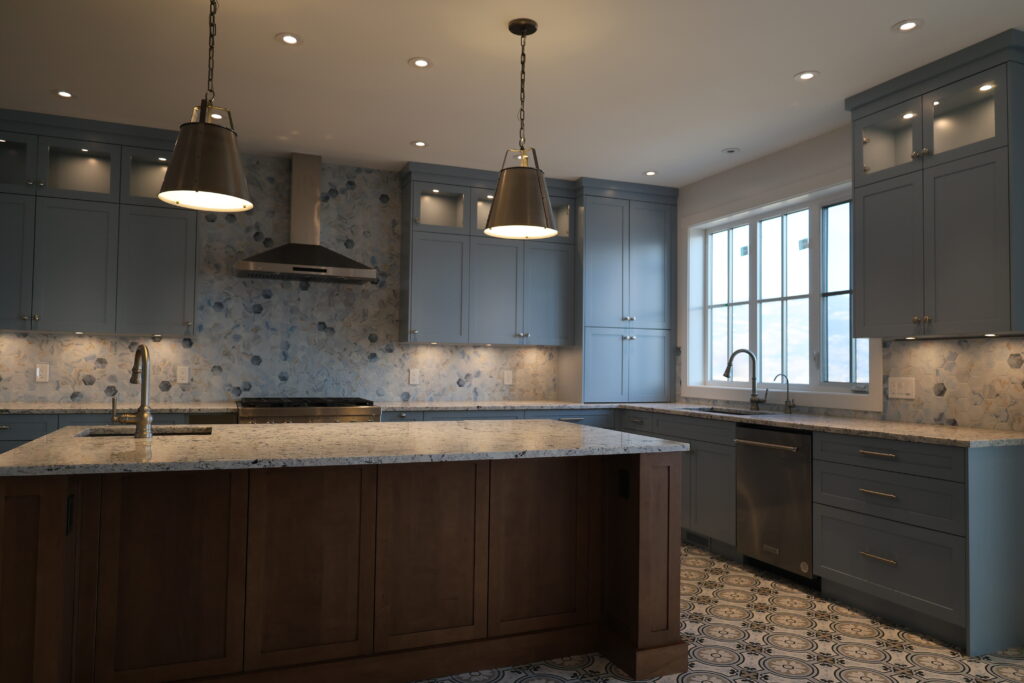
8. Final Inspections and Walk through (1-2 Weeks)
Before move-in, final inspections and approvals are required to ensure everything is up to code.
Key steps:
- Code Inspections: Final sign-off from building officials.
- Punch List: Address any remaining tasks or corrections.
- Final Walk through: Ensure everything is completed to satisfaction.
What to expect: Small adjustments may be needed, but you’re almost there. Collect warranty documents, manuals, and maintenance info.
9. Move-In and Post-Construction Support
With everything approved and cleaned up, it’s time to enjoy the finished product.
Key steps:
- Move-In: Furnish and start using the space.
- Post-Construction Support: Follow up on any warranty work or issues.
- Final Payments and Closeout: Settle accounts and officially close the project.
What to expect: There may be a brief adjustment period as you settle in. Having a builder who offers post-construction support is invaluable.
Conclusion: A Journey Worth Taking
Construction projects take time, coordination, and patience, but with the right team and planning, they’re incredibly rewarding. Understanding the construction timeline helps manage expectations, avoid surprises, and keeps you involved every step of the way.
From the first sketches to the final walk through, knowing what to expect empowers you to be a confident, informed partner in the process and ultimately, to enjoy the space you helped bring to life.
Ready to map your timeline with clarity? visit https://workinghandsinc.ca/contact-us/ to start with Working Hands Construction.
FAQs
Q1: How long does a typical custom home build take?
A: Most projects run 8–14 months, depending on design complexity, permitting timelines, site conditions, weather, and material lead times.
Q2: What causes the biggest schedule delays?
A: Permit wait times, weather, change orders, and late material deliveries. Good planning and early selections help minimize these.
Q3: When should I lock in finishes and fixtures?
A: During pre-construction. Early selections prevent back orders and keep interior finish phases (paint, flooring, cabinets) on schedule.
Q4: Can exterior work happen while interiors are underway?
A: Often yes. With proper sequencing and safety, siding/roofing and some site work can run concurrently to compress the timeline.
About the Author
This blog is presented to you by the team of Working Hands Construction. With over 30 years of hands-on experience, we guide every project from planning to completion with care. Whether it’s a carriage home, a renovation, or something entirely new, we bring strong communication, quality work, and lasting value to every job.
Website: https://workinghandsinc.ca/
Email: gates@workinghandsinc.ca
Phone: 1-778-392-8348
Head Office: 110-1649 Cary rd, Kelowna BC